
Unpredictable Weather and Dry Conditions: Current Wildfire Situation in Los Angeles 🚨🔥
- telishital14

- Jan 11, 2025
- 4 min read
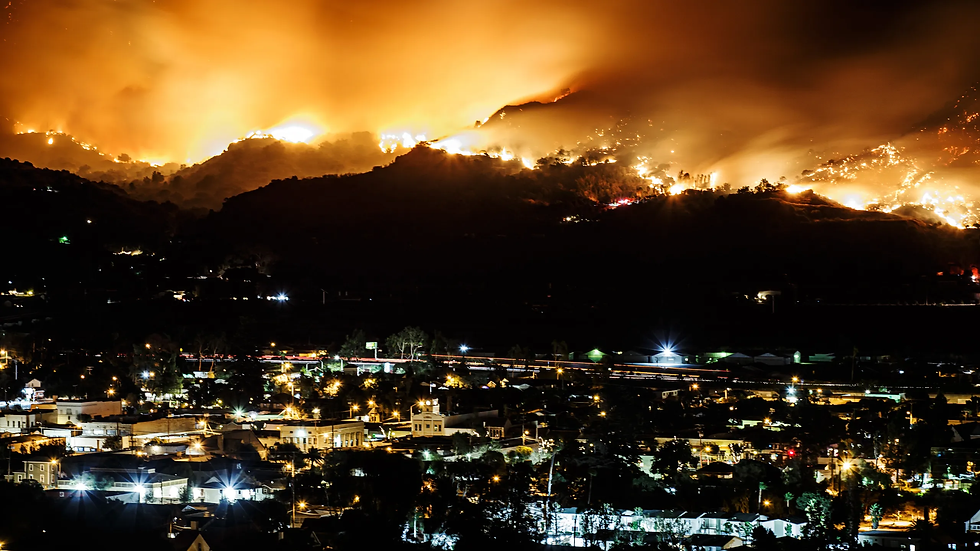
As winter approaches, many parts of the United States enjoy a period of calm after the intensity of wildfire season. In Los Angeles, however, the situation remains tense. Despite January typically being a quieter month for wildfires, the city is braced for potential danger as we move toward 2025.
The combination of dry conditions, strong winds, and a wealth of dry vegetation acts as a perfect recipe for wildfires. It is crucial for residents to stay alert and proactive about fire prevention and preparedness.
This post examines the current fire danger in Los Angeles, highlights the unpredictable weather patterns contributing to it, and provides practical advice for residents to stay safe.
Understanding Fire Danger in Los Angeles
Fire danger in Los Angeles has shifted from a seasonal issue to an all-year concern. Significant climate change, persistent droughts, and rising temperatures play crucial roles in this change.
These factors create a hazardous environment where dry vegetation and unpredictable winds can lead to devastating fires. For instance, between 2020 and 2021, Southern California saw a disturbing 20% increase in wildfire incidents, a noticeable shift from previous years.
Residents must be vigilant, as dangerous conditions can arise at any time of year.

Weather unpredictability adds to the risk. There have been instances where forecasts missed warning signs for hot, windy days capable of sparking fires. For example, an unexpected heatwave in December 2022 led to a rapid wildfire outbreak, demonstrating how quickly conditions can change.
The Impact of Climate Change
One key factor in the changing wildfire landscape is climate change. As average global temperatures rise, heatwaves become more frequent and intense. This drying out of vegetation is evident in California, where some areas have experienced drought conditions for more than 50% of the year over the last decade.
Winter rain patterns are also changing. Instead of regular rainfall, heavy downpours followed by long dry spells now prevail. For instance, Los Angeles recorded a staggering 40% increase in rapid precipitation events over the past five years. These conditions promote quick vegetation growth, which can later dry out and serve as fuel for wildfires.
Furthermore, California's ecosystems face challenges as certain plants become more disease-prone and decline in numbers, altering the landscape and increasing fire risks.

The Role of Strong Winds
Winds, particularly the Santa Ana winds, play a crucial role in spreading wildfires in Los Angeles. These winds can carry small sparks into dry vegetation, leading to rapid ignitions. Their unexpected shifts can change fire directions quickly.
Understanding wind patterns can be vital in preventing disasters. In fact, a study found that fires fueled by strong winds can spread up to five times faster than those in calmer conditions. Therefore, staying informed about weather updates and fire danger levels can significantly help residents prepare.
Fire Prevention and Preparedness: A Community Effort
Preventing wildfires requires combined efforts from both individuals and communities. Local authorities emphasize proactive strategies for fire prevention.
Creating Defensible Space
Homeowners should create defensible spaces around their properties. This involves removing dead vegetation, maintaining a buffer between trees and buildings, and keeping gutters clear of leaves. A study indicated that homes with defensible spaces are up to 80% less likely to catch fire during an event.
Staying Informed
It is crucial for residents to stay informed by signing up for local alerts and understanding fire danger levels. Having an evacuation plan, knowing safe routes, and preparing emergency supplies can make all the difference if a fire occurs.
Community Preparedness Programs
Los Angeles has initiated community preparedness programs encouraging neighborhoods to collaborate. Workshops on fire safety help residents take necessary precautions for their homes. Collaboration with local fire departments ensures residents receive updated information about wildfire risks and safety best practices.
Individual Responsibility
While community initiatives are vital, individual responsibility is equally important. Here are some essential steps residents can take:
Conduct Regular Inspections: Regularly check your home and yard for flammable materials, taking action to mitigate risks.
Create a Fire Safety Kit: Assemble a fire safety kit containing essential supplies. Quick access can save crucial minutes in emergencies.
Stay Weather Aware: Monitor weather forecasts, particularly for wind patterns and heat warnings.
Communicate with Neighbors: Share fire prevention plans with neighbors to foster a supportive, prepared environment.
The Rising Threat of Wildfires in 2025 and Beyond
With ongoing climate changes and unpredictable weather, wildfire risks in Los Angeles will likely remain significant in 2025 and beyond. Authorities are implementing advanced fire detection systems and working to rehabilitate areas affected by previous fires.
As a community, understanding these changes and adapting to them is key. Fire preparedness is not just a seasonal task; it’s a year-round commitment.
Preparing for an Uncertain Future
Wildfires remain a persistent threat in Los Angeles, and as we look towards 2025, the combination of unpredictable weather and dry conditions heightens this risk.
Staying proactive and informed is essential for both residents and authorities. By focusing on preparedness and prevention, we can safeguard our communities, reduce wildfire risks, and protect the vibrant landscape of Los Angeles.
Together, let us adapt and prioritize our safety in the face of this ongoing challenge.


Unpredictable times😑